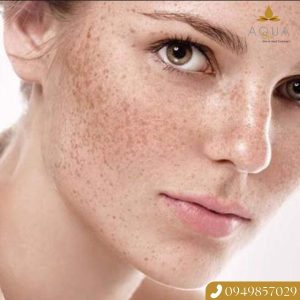
Pregnancy and childbirth represent the most sacred journey in a woman’s life, yet they often leave behind unwelcome imprints on the skin: melasma across the cheeks and forehead, dull and discolored complexion, dryness, and loss of firmness. An estimated 70 to 90 percent of pregnant women experience melasma — commonly called the “mask of pregnancy” — to varying degrees, driven by the abrupt hormonal shifts that accompany gestation. The culprits are estrogen and progesterone, which surge during pregnancy and directly stimulate melanocytes, the pigment-producing cells nestled in the basal layer of the epidermis. These cells ramp up melanin synthesis via the tyrosinase pathway, depositing excess pigment in both the epidermal and dermal layers. Ultraviolet radiation from sunlight acts as a potent amplifier: UV-A and UV-B rays not only darken existing patches by oxidizing pre-formed melanin but also trigger reactive oxygen species that further activate melanocytes, causing the discoloration to spread and deepen over time.
For nursing mothers, the therapeutic landscape narrows dramatically. Nearly every standard melasma treatment carries risks that make it unsuitable during lactation. Hydroquinone — long regarded as the gold standard for pigment disorders — works by inhibiting tyrosinase and depleting melanosomes, but studies show it can achieve systemic absorption through intact skin at rates of 25 to 45 percent of the applied dose. Once in the bloodstream, it crosses readily into breast milk, where even trace exposure raises concerns for the developing infant. Retinoids — the powerhouse class of molecules that accelerate cellular turnover and suppress melanogenesis — are categorically contraindicated during both pregnancy and breastfeeding, with documented teratogenic risks that make them entirely off-limits. Medium-depth and deep chemical peels using trichloroacetic acid or phenol introduce systemic toxicity risks and unpredictable absorption profiles. Even laser and intense pulsed light therapies, while generally safer than pharmacologic approaches, require careful risk-benefit assessment because postpartum skin exhibits increased photosensitivity and altered healing responses. The result is a genuine clinical dilemma: mothers want to restore their skin but find themselves unable to use virtually any conventional intervention without worrying about the infant at the breast.
Aqua Spa has designed its postpartum skincare protocol specifically to resolve this impasse. Every treatment in the series relies exclusively on naturally derived ingredients paired with non-invasive technology platforms — no active pharmaceutical compounds that could plausibly enter the bloodstream or breast milk. Each protocol has been reviewed and cleared by both a board-certified dermatologist and an obstetrician-gynecologist to confirm absolute safety for mother and child. The underlying philosophy is straightforward: new mothers deserve care and restoration, not a forced choice between their baby’s wellbeing and their own skin.
## Who This Is For
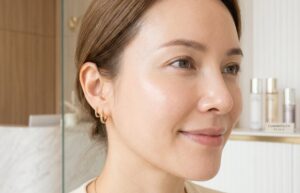
**Postpartum women with cheek and forehead melasma:** Pregnancy-related melasma typically appears in a symmetric, bilateral distribution across the cheeks, forehead, bridge of the nose, and chin — the areas most exposed to sunlight. The pigment deposition pattern is clinically complex because melanin accumulates at multiple depths: epidermal melasma presents as light to medium brown patches that respond more readily to treatment, while dermal melasma appears grayish-blue and proves far more stubborn due to melanophages in the deeper dermis. The Aqua Spa protocol targets the biochemical root — tyrosinase, the rate-limiting enzyme in melanogenesis — using naturally derived inhibitors that are safe for nursing mothers: stabilized L-ascorbic acid at bioactive concentrations, alpha-arbutin extracted from bearberry and blueberry, and glabridin, the active flavonoid from licorice root. Glabridin is particularly noteworthy: in vitro studies show it inhibits tyrosinase activity by approximately 50 percent at concentrations as low as 0.1 percent, without affecting DNA synthesis, and it does so through a mechanism distinct from hydroquinone’s cytotoxic approach.
**Nursing mothers with dry, dull, and lifeless skin:** The postpartum period brings an abrupt drop in circulating estrogen, and with it a significant decline in endogenous hyaluronic acid production within the dermal extracellular matrix. Hyaluronic acid is the skin’s primary humectant, capable of binding up to one thousand times its weight in water, and its depletion leaves the stratum corneum compromised — transepidermal water loss accelerates, the lipid barrier weakens, and the skin loses its characteristic plumpness and luminosity. Compounding this biochemical shift is the relentless sleep deprivation that accompanies round-the-clock infant care, which elevates cortisol levels and further degrades collagen and elastin fibers. The protocol delivers deep hydration through low-molecular-weight hyaluronic acid that can penetrate beyond the stratum corneum, combined with ceramides that repair the intercellular lipid matrix and squalane — a biomimetic emollient structurally identical to a component of human sebum — to restore barrier function without occlusion or comedogenicity.
## The Treatment Series: 100% Safety Guaranteed
**Natural enzyme exfoliation:** In place of chemical peels that rely on aggressive acids, Aqua Spa employs papain — a cysteine protease isolated from papaya — and bromelain — a mixture of proteolytic enzymes derived from pineapple stem and fruit. These enzymes catalyze the hydrolysis of peptide bonds specifically within desmosomal proteins that anchor dead corneocytes to the skin surface, gently dissolving the bonds that hold the stratum corneum together without affecting viable keratinocytes beneath. Because their catalytic activity is substrate-specific — targeting only the keratin protein in non-living cells — they cause no irritation to living tissue and, critically, do not undergo systemic absorption due to their large molecular weight and inability to traverse intact epidermal tight junctions.
**Vitamin C iontophoresis:** Ascorbic acid is among the most potent topical antioxidants available, functioning through multiple pathways relevant to postpartum skin: it inhibits tyrosinase directly, reduces pre-formed dopaquinone back to dopa, scavenges UV-generated reactive oxygen species before they can trigger melanogenesis, and serves as an essential cofactor for prolyl and lysyl hydroxylase enzymes that stabilize the collagen triple helix. The challenge with vitamin C has always been delivery — L-ascorbic acid is hydrophilic and charged at physiologic pH, making passive diffusion through the lipid-rich stratum corneum inefficient. Aqua Spa addresses this with iontophoresis: a gentle, needle-free electrical current that creates a temporary electromotive gradient, actively repelling charged vitamin C molecules into the viable epidermis and upper dermis. The technique achieves intradermal concentrations that topical application alone cannot match, while the absence of needles eliminates any risk of bleeding, infection, or systemic exposure.
**Sheep placenta mask:** Ovine placental extract contains a rich and complex mixture of bioavailable nutrients — short-chain peptides that signal fibroblasts to upregulate collagen synthesis, free amino acids that serve as building blocks for structural proteins, vitamins including B-complex and fat-soluble A and E, and trace minerals such as zinc and copper that function as enzymatic cofactors in tissue repair cascades. Modern extraction and sterilization processes ensure the final preparation is free of hormones, pathogens, and synthetic additives, and independent safety testing confirms no systemic absorption through intact skin. The mask delivers these nutrients in a sustained-release format, allowing the dermis to absorb them progressively over the treatment session.
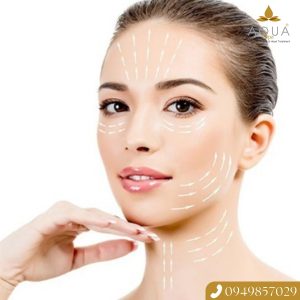
**Facial lifting massage:** Employing gentle yet precise manual techniques, the massage component stimulates cutaneous microcirculation — increasing blood flow to the dermal papillae by an estimated 30 to 50 percent during treatment — while simultaneously promoting lymphatic drainage to reduce the facial puffiness common in postpartum women. The mechanical stimulation of fibroblasts through rhythmic pressure and stretch also upregulates mechanotransduction pathways that encourage collagen fiber realignment and improved skin elasticity. This is non-invasive structural support at its most fundamental level, leveraging the body’s own repair physiology without introducing any external substance.
## Benefits
**Absolute safety:** Every ingredient in the protocol has been screened to confirm it cannot enter systemic circulation or breast milk in detectable quantities. Both the dermatologist and obstetrician have reviewed the full ingredient list, concentrations, and delivery methods.
**Visible reduction in melasma and brighter complexion:** After a consistent course of six to eight sessions — scheduled twice weekly — clients typically see their hyperpigmented patches fade by an average of 40 to 60 percent, with skin tone becoming noticeably more even and luminous. Results endure when combined with rigorous daily sun protection, as preventing UV re-exposure is essential to maintaining the gains achieved through tyrosinase inhibition.
**Firmer, less sagging skin:** The combination of iontophoresis-delivered nutrients and targeted massage improves the elasticity and tensile strength of facial skin, particularly across the cheeks and jawline — the areas most vulnerable to postpartum laxity when estrogen’s supportive effects on collagen wane.
**Stress relief and genuine relaxation:** A full sixty minutes of dedicated self-care offers a rare and valuable window for the new mother to recharge, lower circulating cortisol, and receive the kind of nurturing attention she so freely gives to her infant around the clock.
## Frequently Asked Questions
**How soon after delivery can treatment begin?** For vaginal deliveries, clients can typically start one to two months postpartum, once the body has achieved basic recovery. For cesarean sections, we recommend waiting two to three months to allow the surgical incision to heal completely. In all cases, we strongly advise consulting your physician before initiating any new skincare protocol.
**Will this affect my breast milk?** No. Every product and technology in Aqua Spa’s postpartum treatment series has been selected because it cannot be absorbed into the bloodstream. Without systemic absorption, there can be no transfer to breast milk — the quality and quantity of your milk remain entirely unaffected.
Aqua Spa — nurturing mothers’ skin, strengthening family happiness. Book your appointment today.